Best Practices for Reducing Allocated Loss Adjustment Expenses (ALAE)
Published by Ajay Krishnan on Apr 22, 2026
Managing allocated loss adjustment expenses (ALAE) is a top priority for insurance carriers and legal teams. These costs-linked directly to claims handling, legal fees, and investigations-can quickly rise without proper controls. The good news is that with the right approach, organizations can significantly reduce ALAE while improving efficiency.
Here are simple and effective best practices to follow.
Build a Strong Legal Spend Management Framework
Effective legal spend management starts with clear billing guidelines and defined expectations for law firms and vendors.
By setting rules for billing rates, task codes, and approvals, organizations can prevent unnecessary costs before they occur. This creates a solid foundation for better claims cost management.
Standardize Your Legal Billing Review Process
A consistent legal billing review process helps ensure every invoice is evaluated fairly and accurately.
Without standardization, errors such as duplicate charges, vague entries, or non-compliant billing can go unnoticed. A structured approach supports better litigation cost control and reduces financial leakage.
Use Legal Bill Review Software to Reduce Errors
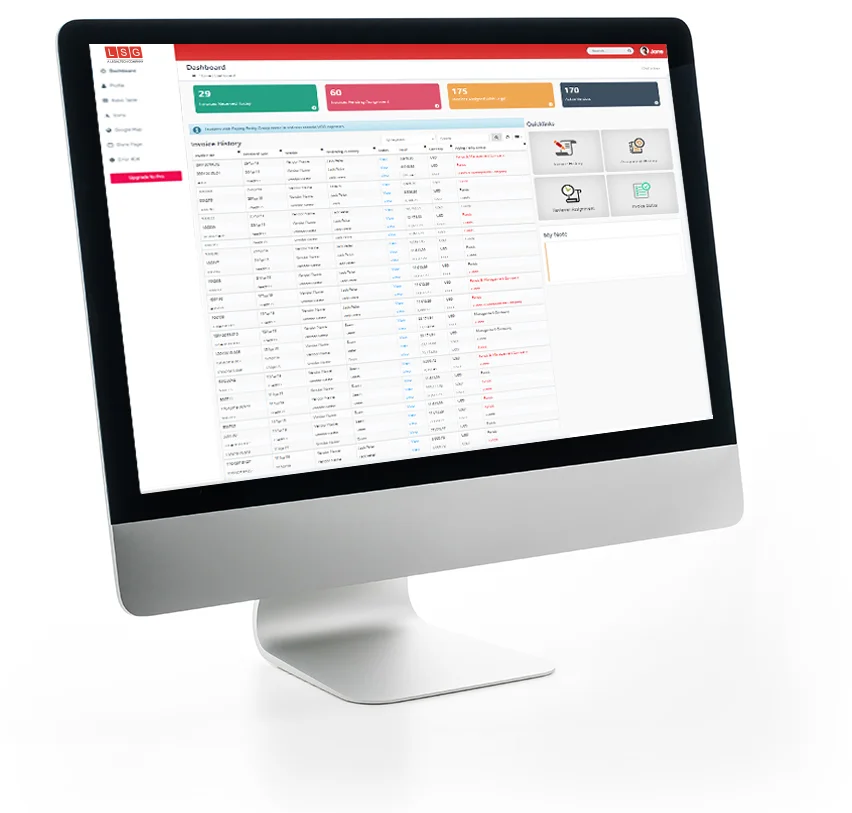
Manual invoice checks can be slow and inconsistent. Implementing legal bill review software allows organizations to automate repetitive tasks and detect billing issues faster.
Modern legal spend management software can:
- Flag non-compliant charges
- Validate billing entries against guidelines
- Reduce human error
This improves both speed and accuracy in legal invoice review.
Integrate with Your Existing ELM System
For many enterprises, legal operations already run on an Enterprise Legal Management (ELM) platform. Instead of replacing it, the smarter approach is to enhance it.
An automated solution like Quark can integrate seamlessly with ELM systems such as Mercury by LSG or any existing platform-adding a powerful layer of intelligence to your legal billing review process.
This integration ensures:
- No disruption to current workflows
- Faster adoption across teams
- Improved visibility into legal spend management
Focus on Consistent Legal Invoice Review
Consistency is key in legal invoice review. When different reviewers apply different standards, costs can slip through.
A centralized and automated review system ensures:
- Uniform rule enforcement
- Transparent approvals
- Better audit readiness
This leads to stronger litigation cost control over time.
Use Data to Improve Claims Cost Management
Analyzing billing and claims data helps identify patterns that increase allocated loss adjustment expenses.
For example:
- Frequent billing discrepancies
- High-cost vendors
- Inefficient workflows
These insights help refine your claims cost management strategy and reduce unnecessary spend.
Automate with Context-Aware Review
Basic automation may catch simple errors, but high-quality results require understanding context.
Quark is designed as an automated legal bill review system that understands billing guidelines and applies them accurately. It works alongside your existing tools to enhance legal billing review without adding complexity.
This approach reduces review time while maintaining accuracy-helping organizations move from days to hours in processing.
Final Thoughts
Reducing allocated loss adjustment expenses is about improving control, not just cutting costs. With better processes, smarter tools, and seamless integration, organizations can achieve more efficient legal spend management and stronger financial outcomes.
Looking to improve your legal billing review process without replacing your current systems?
Quark by LSG is an automated legal bill review software that integrates with your existing ELM platform to deliver accurate, consistent, and faster legal invoice review.
Visit the Quark page today to see how you can strengthen your legal spend management software strategy and reduce ALAE with confidence.